Best places to live in Costa Rica for Americans
Six regions compared on climate, cost, healthcare, access and community.
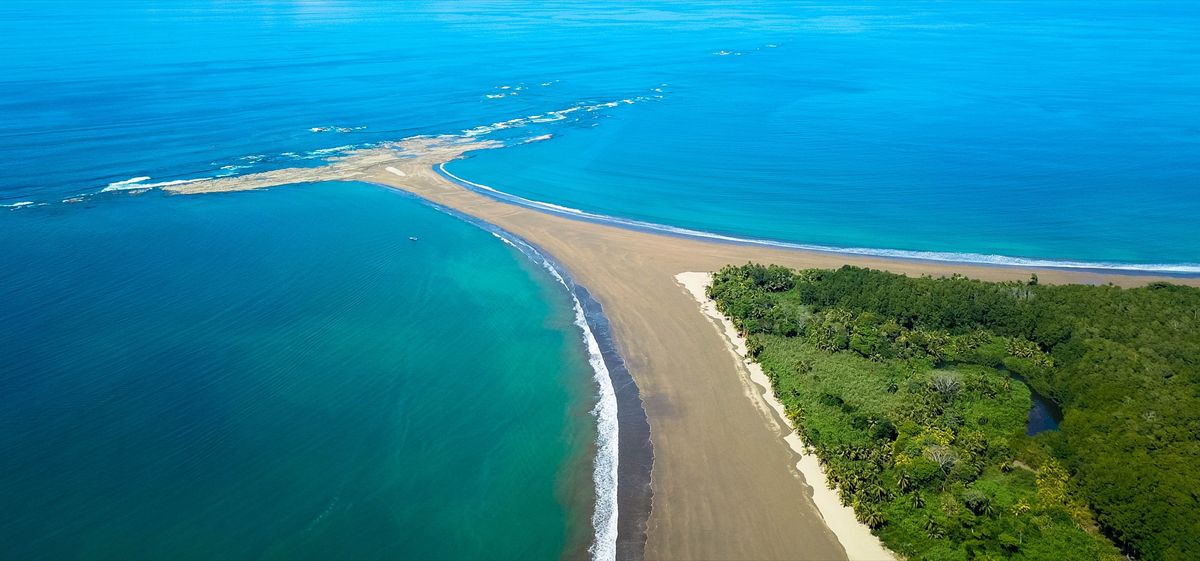
Costa Rica is a small country with very different places to live. A two-hour drive can take you from a cool hill town to a hot beach. The right choice depends on climate, healthcare needs, budget and how far you are willing to be from San José.
How to compare places
- Climate. Altitude decides temperature. The Central Valley is mild; the coasts are hot and humid. Guanacaste is dry for months; the south and the Caribbean are wet.
- Healthcare. The largest public and private hospitals are in and around San José. From some beach towns that is a drive of three to five hours.
- Access. There are two international airports, one near San José and one at Liberia. Check the drive from each.
- Cost. Beach towns popular with foreigners cost more than the Central Valley. See the cost of living in Costa Rica.
- Community and schools. Some towns have large English-speaking communities and international schools. Others need Spanish every day.
The regions at a glance
| Region | Climate | Nearest major hospitals | Suits |
|---|---|---|---|
| Central Valley | Mild all year | In the region | Retirees, families, people who want city services |
| Guanacaste | Hot, long dry season | Liberia; San José for major care | Beach living with a direct flight home |
| Central Pacific | Hot and humid | San José, 1.5 to 3 hours | Beach within reach of the city |
| Southern Zone | Hot, very wet in season | Regional hospitals; San José, 3.5 hours or more | Quiet, nature, space |
| Caribbean coast | Hot, rain all year | Limón; San José, about 4 hours | A slower, more independent life |
| Arenal | Warm days, cool breezes | Regional hospitals; San José, about 3 hours | Lake and countryside living |
Drive times are rough and depend on traffic and the season.
The places
Central Valley and San José
Most Costa Ricans live here, and so do most foreign retirees. The valley sits between about 2,500 and 5,000 feet, and the weather is spring-like all year.
- Escazú and Santa Ana, west of San José: the most international suburbs, with private hospitals, malls, international schools and the highest rents.
- Atenas and Grecia: smaller towns further west with established retiree communities and lower costs. Atenas is lower and warmer; Grecia is higher and cooler.
- Heredia and the hills above it: cooler, with coffee farms and a university town.
- San Ramón and the western valley: cooler and cloudier, quieter and cheaper.
The trade-offs are traffic around San José and being an hour or two from the beach.
Guanacaste and the Gold Coast
The northwest Pacific coast is the driest and sunniest part of the country. Tamarindo, Playas del Coco, Flamingo and Nosara each have a large foreign population, and the airport at Liberia has direct flights to the US. It is hot all year and brown by the end of the dry season. Water supply can be a concern in the driest months, and housing in the most popular towns is among the most expensive in Costa Rica.
Central Pacific
Jacó is the closest beach town to San José, about an hour and a half away on a good day, with condos, surf and nightlife. Manuel Antonio and Quepos, further south, are greener and hillier, next to one of the country’s most visited national parks. Both are busy with tourists in high season.
Southern Zone
Dominical, Uvita and Ojochal sit where forested mountains drop to the Pacific, an area also called the Costa Ballena. Homes are often on hillsides with ocean views and steep driveways. It is quieter and less developed than Guanacaste, wetter in the rainy season, and further from the capital. The inland city of San Isidro de El General is the main service centre.
Caribbean coast
Puerto Viejo and Cahuita, south of Limón, have Afro-Caribbean culture, reef and jungle, and a smaller, more independent foreign community. It rains in every month, and services are more limited than on the Pacific side. Much of the coastal land here is subject to maritime zone or reserve rules, so property needs extra care.
Arenal and the northern lowlands
La Fortuna is a tourism town at the foot of Arenal volcano. Around Lake Arenal, towns such as Nuevo Arenal and Tilarán have a small foreign community drawn by cooler air, green hills and lake views. It is windy on the lake for part of the year and a long drive from big-city services.
Best places to retire
Retirees weigh healthcare and climate most heavily, which is why the Central Valley leads. People who want the beach in retirement usually pick Guanacaste for the airport, or the Central Pacific for the shorter drive to San José hospitals. See retiring in Costa Rica.
How to decide
- Pick two or three areas that fit your climate and healthcare needs.
- Visit each for a few weeks, ideally including the rainy season.
- Rent for six to twelve months before you buy. A local real estate agent can help with long-term rentals.
- Read about safety and ask residents about the specific neighbourhood.
- Check which residency option your income supports before you commit.
Common questions
What is the best place to live in Costa Rica for Americans?
It depends on what you want. The Central Valley has mild weather, the main hospitals and the main airport. Guanacaste has dry, sunny beach towns and its own international airport. The Central Pacific is the closest beach area to San José, and the Southern Zone is quieter and greener. Most retirees choose the Central Valley, and most beach buyers choose Guanacaste.
Where do most expats live in Costa Rica?
The largest groups are in the Central Valley, in towns such as Escazú, Santa Ana, Atenas and Grecia, and in Guanacaste around Tamarindo, Playas del Coco and Nosara. There are smaller communities around Jacó, Manuel Antonio, Uvita, Lake Arenal and Puerto Viejo.
What are the safest places to live in Costa Rica?
Safety varies by neighbourhood more than by region. The smaller Central Valley towns and the established foreign communities are generally places where residents report feeling safe. Read the current US State Department advisory and ask residents about the specific area before you choose.
Which part of Costa Rica has the best weather?
For mild temperatures year-round, the Central Valley, at roughly 2,500 to 5,000 feet. For the most sun and the longest dry season, Guanacaste. The Caribbean and the Southern Zone are the wettest.
This page is general information, not professional advice. Rules and amounts change, and officials apply them differently. Confirm the details with the relevant authority or a qualified professional before you act on them.