Is Costa Rica safe to live in?
What kind of crime affects foreign residents, where it is concentrated, and the precautions people take.
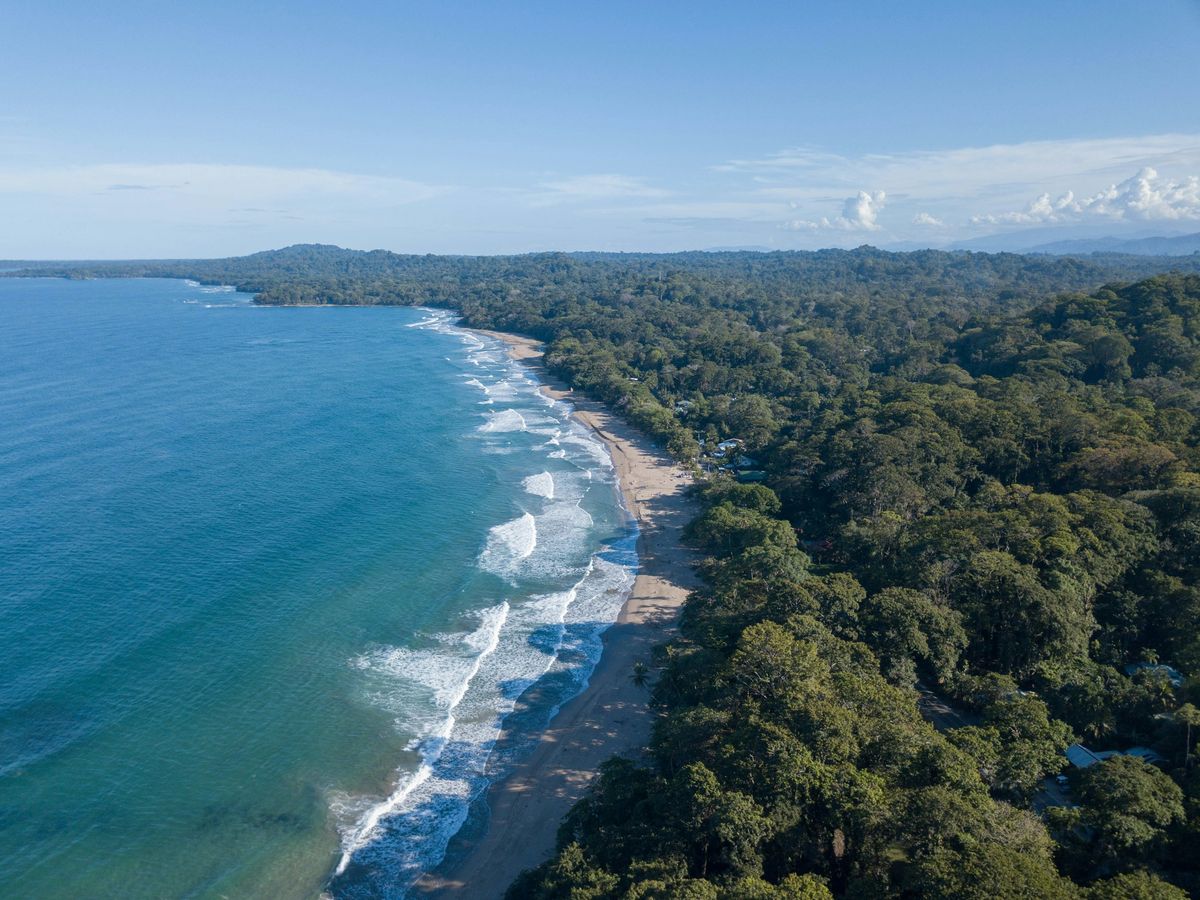
Costa Rica is a stable democracy that abolished its army in 1948, and it has long been considered one of the safer countries in Latin America. That is still broadly true for foreign residents. It is also true that violent crime has risen in recent years, and people who are moving should know where and why.
The short answer
- Most foreign residents live without incident and take ordinary precautions.
- The crime most likely to affect you is theft.
- Violent crime is concentrated in specific places and mostly involves people connected to the drug trade.
- Safety differs more between neighbourhoods than between regions.
What kind of crime affects foreign residents
- Theft from cars. Break-ins are common at beaches, trailheads, restaurants and supermarkets. Rental cars are obvious targets.
- Petty theft. Bags, phones and laptops left unattended on a beach or a café table.
- Home burglary. Usually when a house is empty. Homes that sit vacant for part of the year are more exposed.
- Fraud. Card skimming, fake listings and, more seriously, property fraud. See buying property in Costa Rica.
Armed robbery and assault happen and are less common. If you are robbed, don’t resist.
Violent crime
Costa Rica’s homicide rate rose sharply in the early 2020s to the highest levels the country has recorded. Authorities attribute most of it to disputes between groups involved in drug trafficking. It is concentrated in Limón province, some districts in and around San José, and parts of Puntarenas.
The US State Department has in recent years rated Costa Rica at Level 2, “exercise increased caution”, because of crime. Advisories change, so read the current one. For figures, the judicial investigation agency (OIJ) publishes crime statistics.
How it varies by area
| Area | What residents generally report |
|---|---|
| Central Valley suburbs and small towns | Calm; burglary is the main concern. Gated communities and security are common. |
| Central San José | Busy by day; some districts are best avoided, especially at night. |
| Guanacaste beach towns | Theft from cars and holiday homes; violent crime uncommon. |
| Central Pacific | Petty theft in tourist areas; Jacó has more nightlife-related problems than quieter towns. |
| Southern Zone | Quiet; burglary of isolated houses is the main concern. |
| Caribbean coast | The tourist towns have a relaxed feel; Limón province overall has a higher rate of violent crime. |
This is a general picture. Ask people who live on the street you are considering.
Precautions residents take
- Leave nothing in a parked car, not even in the trunk if someone could have watched you put it there.
- Use paid, attended parking where it exists.
- Fit window bars, good locks or an alarm, which are normal for houses in Costa Rica.
- Arrange for someone to look after the house when you travel.
- Get to know your neighbours. Many areas have community message groups that share alerts.
- Carry a copy of your passport or your DIMEX, not the passport itself.
- Don’t walk on empty beaches or unlit roads at night.
The emergency number is 911.
Other risks
Crime is not the only thing to think about.
- Roads. Traffic accidents are a larger everyday risk than crime for most residents.
- Water. Rip currents are common on Pacific beaches and many beaches have no lifeguards.
- Nature. Earthquakes are frequent and usually minor. There are active volcanoes. Heavy rain causes flooding and landslides in the rainy season, which can close roads for days.
- Health. Mosquito-borne illnesses such as dengue occur, mostly in the lowlands and on the coasts.
Choosing where to live with safety in mind
- Read the current US State Department advisory.
- Visit at different times of day, and in low season as well as high.
- Ask residents about the specific neighbourhood, and about what happened the last time something went wrong.
- Rent before you buy, and notice how exposed the house is when it is empty.
For how the regions compare on everything else, see the best places to live in Costa Rica.
Common questions
Is Costa Rica safe for Americans to live in?
Most Americans who live in Costa Rica report feeling safe in daily life. The crime that affects them most is theft: car break-ins, bag snatching and home burglary. Violent crime has risen in recent years and is concentrated in particular areas, mostly linked to drug trafficking.
Is the crime rate in Costa Rica going up?
The homicide rate rose sharply in the early 2020s and reached record levels, driven largely by disputes between drug trafficking groups. For current figures, use Costa Rica's judicial investigation agency (OIJ) and the US State Department's travel advisory.
What is the safest part of Costa Rica?
Safety varies more by neighbourhood than by region. Smaller Central Valley towns and established residential communities are generally calm. Limón province, some districts of San José and parts of Puntarenas have had the highest rates of violent crime.
Is it safe to drive in Costa Rica?
Driving is one of the bigger everyday risks. Roads are narrow, often unlit and shared with pedestrians, cyclists and motorcycles. Avoid driving at night outside towns, and never leave anything visible in a parked car.
This page is general information, not professional advice. Rules and amounts change, and officials apply them differently. Confirm the details with the relevant authority or a qualified professional before you act on them.