Renting in Costa Rica: long-term rentals, leases and what rent costs
Find a long-term rental with confidence: typical rents by area, how leases and deposits work, and the protections tenants have.
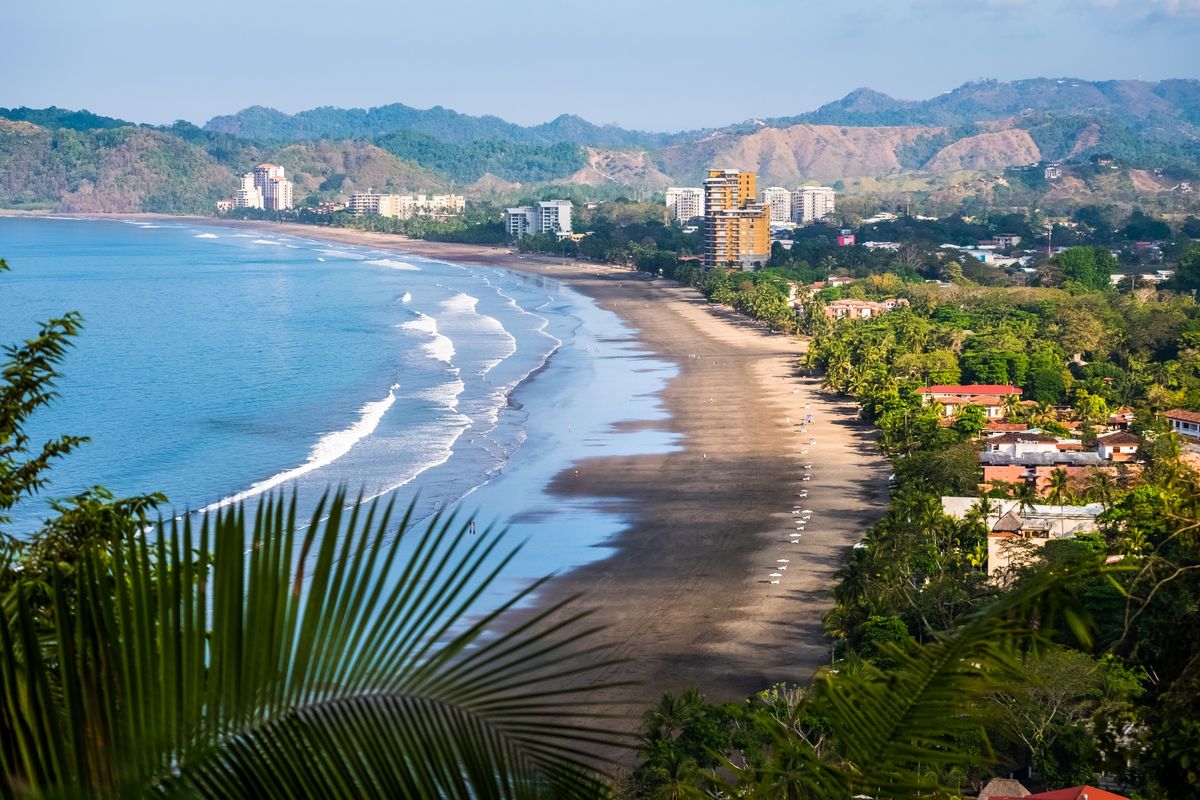
Americans can rent a home in Costa Rica long term without residency, and most landlords ask only for a passport, one month’s deposit and the first month’s rent. Expect to pay roughly $600 to $1,300 a month in the smaller Central Valley towns and $1,200 to $3,000 in the popular beach towns.
What rent costs by area
Approximate monthly rent for a one- or two-bedroom home on a long-term lease, in areas popular with foreigners. These are estimates in US dollars for early planning. Check current listings before you rely on them.
| Place | Monthly rent |
|---|---|
| Tamarindo, Nosara and the Guanacaste beach towns | $1,200 to $3,000 |
| Escazú and Santa Ana | $1,000 to $2,500 |
| Manuel Antonio | $1,000 to $2,200 |
| Uvita, Dominical and Ojochal | $900 to $2,000 |
| Jacó | $800 to $1,800 |
| San José and Heredia | $700 to $1,500 |
| Puerto Viejo | $700 to $1,500 |
| Atenas and Grecia | $600 to $1,300 |
| Lake Arenal area | $600 to $1,200 |
Homes rented mainly to Costa Ricans, outside the expat neighborhoods, cost a good deal less. Larger houses, ocean views and pools cost more. For the full monthly budget, see the cost of living in Costa Rica.
What you need to rent
- A passport. Residency isn’t required. Many people rent for their whole first year on tourist stays or while a residency application is pending.
- A deposit. One month’s rent is the norm, returned at the end if there is no damage or unpaid bill.
- The first month in advance.
- Sometimes more. Agencies and landlords in the Central Valley may ask for references, proof of income or a guarantor. Owners in beach towns are usually less formal.
How leases work
Long-term residential rentals are governed by a national rental law (the Ley General de Arrendamientos Urbanos y Suburbanos). Its main features protect the tenant:
- A three-year minimum term. A lease written for one year is still treated as running for three if the tenant wants to stay. The tenant can leave earlier with notice, commonly three months, unless the lease sets something different in the tenant’s favor.
- Limits on rent increases. Rent in colones can be raised once a year within a limit linked to inflation. Rent in dollars generally can’t be raised during the term.
- Renewal. If neither side gives notice before the term ends, the lease generally renews.
- Repairs. The landlord is responsible for keeping the home habitable; the tenant for small day-to-day repairs.
Vacation rentals and stays arranged by the week or month for tourists are outside this law. A “six-month rental” in a beach town at a furnished nightly-style price is usually that kind of arrangement, with fewer protections.
Have the lease in writing, and have it explained in English before you sign. This page is general information; an attorney can tell you how the law applies to your contract.
Costs on top of the rent
- Utilities. Electricity, water, internet and gas for cooking are usually paid by the tenant. Air conditioning on the coast can add $100 to $250 a month to the electric bill, as an estimate.
- Sales tax. Residential rent above a monthly threshold carries 13 percent sales tax (IVA). The threshold is set in colones and changes yearly; in recent years it has been in the region of $1,300 to $1,400 a month. Ask whether the quoted rent includes it.
- Garden, pool and security. Ask who pays. In gated communities there may be a monthly fee.
- Furniture and appliances. “Unfurnished” can mean no stove, refrigerator or washing machine. Furnished rentals are common where foreigners live and cost more.
How to find a long-term rental
- Come first, then look. The best long-term rentals are found in person. Book a short-term place for the first few weeks and search from there.
- Ask locally. Many rentals are never advertised. Neighbors, community social media groups, and “Se alquila” signs with a phone number are how a large share of homes are filled.
- Use an agent for the areas with many foreign residents. Agents are not licensed by the state, so choose carefully. See real estate agents in Costa Rica.
- Check online listings to learn prices, bearing in mind that listings in English are aimed at foreigners and priced accordingly.
- Visit in the rainy season if you can, or ask about the road, drainage and mold.
In beach towns, owners can earn more from short vacation stays between December and April. Twelve-month leases exist, but they take more looking, and some owners offer only a “green season” lease from May to November.
What to check before you sign
- That the person renting it out is the owner, or has the owner’s written authorization. The National Registry’s online search shows who owns a titled property. Never wire a deposit for a home you haven’t seen.
- Water. Ask about pressure and dry-season cuts, and whether there is a storage tank.
- Internet. Confirm that fiber or a reliable connection reaches the house, not only the town.
- The road. Some hillside homes need four-wheel drive from September to November.
- Noise and neighbors. Visit in the evening and on a weekend.
- Hot water. Many homes heat water at the shower head only.
- Security. Look at the bars, locks and lighting, and ask what has happened on the street. See is Costa Rica safe to live in.
- An inventory with photos of furniture and any existing damage, signed by both sides.
- Pets. Get permission in the lease.
Rent before you buy
Renting for six months to a year is the best way to test a town before you commit money to it, and you don’t need residency to do it. When you are ready to compare areas, see the best places to live in Costa Rica, and for a purchase, buying property in Costa Rica.
Common questions
Can a foreigner rent a house in Costa Rica?
Yes. Foreigners can rent a house or apartment in Costa Rica long term without residency, including on a tourist stay. Landlords normally ask for a passport, a deposit of one month's rent and the first month in advance. Some also ask for references or proof of income.
How much is rent in Costa Rica?
As an estimate, a one- or two-bedroom long-term rental in Costa Rica runs about $600 to $1,300 a month in Central Valley towns such as Atenas and Grecia, $1,000 to $2,500 in Escazú and Santa Ana, and $1,200 to $3,000 in the Guanacaste beach towns. Rent drops quickly outside the neighborhoods where foreigners concentrate.
How long is a lease in Costa Rica?
Costa Rica's rental law gives residential tenants a minimum term of three years, even when the lease states a shorter period. The tenant can leave earlier by giving notice, usually three months. Tourist and vacation rentals are outside that law.
Can a landlord raise the rent in Costa Rica?
It depends on the currency of the lease. Rent set in colones can rise once a year, within a limit tied to inflation. Rent set in dollars generally stays fixed for the whole term of the lease. Ask an attorney how the rule applies to your contract.
Sources
This page is general information, not professional advice. Rules and amounts change, and officials apply them differently. Confirm the details with the relevant authority or a qualified professional before you act on them.