Retiring in Costa Rica: residency, healthcare and where people settle
Residency on a pension, healthcare without Medicare, receiving Social Security, and where retirees live.
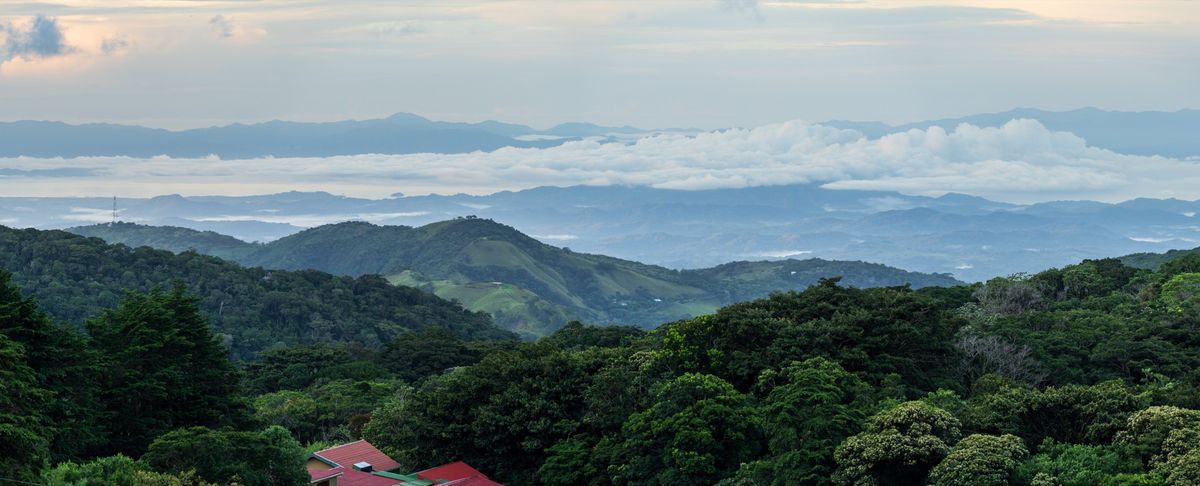
Costa Rica has been a retirement destination for Americans for decades. The residency requirement is low, residents are covered by the public health system, and the country is a few hours from the US by air. The practical questions are residency, healthcare and money.
Residency on retirement income
Retirees use the pensionado category:
- You need a lifetime pension of at least $1,000 a month. Social Security counts.
- One pension covers the retiree, a spouse and dependent children.
- It is temporary residency, renewed about every two years. After three years you can apply for permanent residency.
- You apply in Costa Rica, with documents apostilled in the US beforehand.
If you have savings or investment income but no pension yet, the rentista category is the alternative. The amounts are set by law and can change, so confirm them with an attorney.
Healthcare
Medicare doesn’t pay for care in Costa Rica. Retirees who are residents use a combination of:
- The Caja (CCSS). Joining is a condition of residency. You pay a monthly contribution based on the income you declared, and that covers you and your dependent spouse for doctor visits, medicines, hospital care and surgery in the public system. There are no exclusions for existing conditions and no upper age limit. Waits for specialists and non-urgent procedures can be long.
- Private care paid directly. Private doctors, labs and hospitals cost far less than in the US, and many retirees pay for routine private care themselves.
- Private insurance, from a local or international insurer, for access to private hospitals without large bills. Premiums rise with age, and insurers may exclude existing conditions or decline older applicants, so get quotes before you move.
Many retirees keep Medicare Part B so they are covered on visits to the US or if they move back. See healthcare in Costa Rica.
Social Security, pensions and tax
- You can receive Social Security while living in Costa Rica.
- Costa Rica taxes on a territorial basis. A US pension, Social Security and US investment income are generally not taxed by Costa Rica.
- You still file a US tax return each year and report foreign accounts above a threshold. See taxes for Americans in Costa Rica.
- Residents aged 65 and over can apply for the Caja’s senior card (ciudadano de oro), which gives discounts and priority service in some places.
Pros and cons for retirees
| Pros | Cons |
|---|---|
| A $1,000 a month pension qualifies for residency | You can’t qualify on savings alone as a pensionado |
| Public healthcare with no exclusions for existing conditions | Public waits; private insurance is harder to buy when older |
| Mild climate in the Central Valley | Heat and humidity on the coasts |
| Stable, with a long-established retiree community | Slower, Spanish-language bureaucracy |
| Foreign pension income generally untaxed locally | Higher prices than neighbouring countries, especially for cars |
| Two international airports | Some beach towns are hours from a major hospital |
Where retirees settle
- The Central Valley, especially Atenas, Grecia, San Ramón, Escazú and Santa Ana: mild weather and the shortest drive to the main hospitals.
- Guanacaste, around Playas del Coco, Tamarindo and Flamingo: dry, sunny beach living with an airport at Liberia.
- The Central Pacific, around Jacó and Manuel Antonio: beach towns within a few hours of San José.
- Lake Arenal: a small community in green, breezy hill country.
- The Southern Zone, around Uvita and Ojochal: quiet and scenic, and further from services.
Distance to a major hospital, heat and steep terrain matter more at 75 than at 60. See the best places to live in Costa Rica.
Before you commit
- Spend a few months renting in the area you are considering, including part of the rainy season.
- Check that your pension qualifies, and get the letter that proves it.
- Ask for an estimate of your Caja contribution, and get private insurance quotes at your current age.
- Build a budget from the cost of living in Costa Rica, with room for the exchange rate.
- Read the steps for the whole move for the order to do things in.
Common questions
How much income do I need to retire in Costa Rica?
For pensionado residency you need a lifetime pension of at least $1,000 a month, which also covers a spouse. That is the legal minimum, not a budget. Most retired couples spend $2,000 to $4,500 a month depending on where and how they live.
Can I collect Social Security while living in Costa Rica?
Yes. US citizens can receive Social Security retirement benefits while living in Costa Rica. Most retirees have it paid into a US bank account and move money as they need it.
Does Medicare work in Costa Rica?
No. Medicare generally doesn't pay for care outside the US. Retirees who are residents join Costa Rica's public system, the Caja, and many add private insurance or pay private doctors directly. Many keep Medicare Part B for visits home.
What are the pros and cons of retiring in Costa Rica?
The main advantages are a low residency threshold, public healthcare with no exclusions for existing conditions, a mild climate in the Central Valley and short flights to the US. The main drawbacks are a higher cost of living than elsewhere in Central America, expensive cars, slow paperwork and distance from major hospitals in some beach areas.
This page is general information, not professional advice. Rules and amounts change, and officials apply them differently. Confirm the details with the relevant authority or a qualified professional before you act on them.