Living in Guanacaste, Costa Rica: Tamarindo, Nosara, Playas del Coco and Sámara
Costa Rica's sunniest coast, with beach towns for every pace of life and direct flights home from Liberia.
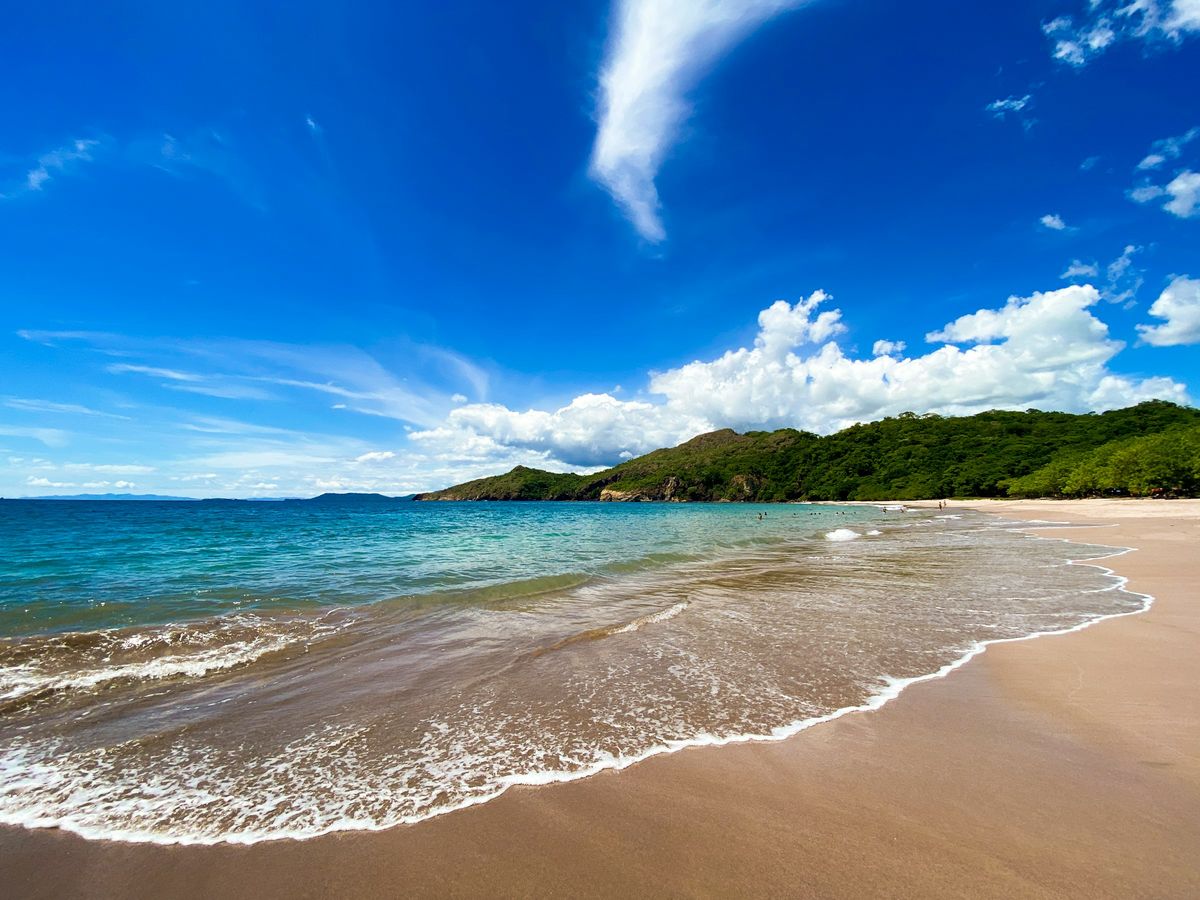
Guanacaste gives you the most sunshine in Costa Rica, a choice of beach towns with large English-speaking communities, and an international airport an hour or two away. It suits people who want beach life with a direct flight home, and who can live with heat, dust and prices above the rest of the country.
Guanacaste at a glance
| Climate | Hot all year. Days around 86 to 95°F (30 to 35°C), nights in the 70s°F (22 to 25°C). Almost no rain from about December to April; rain from May to November |
| Elevation | Sea level at the beach towns; up to about 1,000 feet (300 meters) for homes in the hills |
| Nearest international airport | Guanacaste Airport (LIR) at Liberia, 30 minutes to 2.5 hours from the beach towns |
| Hospital access | Public hospitals in Liberia and Nicoya; private clinics in the beach towns; major care in San José |
| Typical rent (estimate) | $1,200 to $3,000 a month for one or two bedrooms |
| Foreign community | Large and mostly North American: retirees, families and remote workers, strongest in Tamarindo, Flamingo, Playas del Coco and Nosara |
| Spanish | You can get by in English in the main beach towns. Government offices, the Caja and tradespeople work in Spanish |
The stretch of coast from the Papagayo peninsula south to Tamarindo is often called the Gold Coast.
Who Guanacaste suits, and who it doesn’t
| It fits if you want | Look elsewhere if you want |
|---|---|
| Sun and a long dry season | Cool nights and green hills all year |
| Direct flights to the US without crossing the country | Specialists and big hospitals nearby |
| An English-speaking community and international schools | A low cost of living |
| Surf, sailing and sport fishing | To live without a car or air conditioning |
Tamarindo, Playas del Coco, Nosara and Sámara: how the towns differ
| Town | To Liberia airport | What it is like |
|---|---|---|
| Tamarindo | About 1 to 1.25 hours | The largest beach town: walkable, with surf, restaurants, nightlife and many services. Busy in high season |
| Flamingo, Potrero and Brasilito | About 1 hour | Quieter bays north of Tamarindo, with a marina at Flamingo and many gated communities |
| Playas del Coco | About 30 minutes | A working beach town popular with retirees, with condos and nearby Playa Hermosa and Ocotal. The shortest trip to the airport and to Liberia’s hospital |
| Nosara | About 2 to 2.5 hours | Surf and yoga, families and remote workers, behind a beach protected from development. Rough roads and the highest prices |
| Sámara | About 2 hours | A small town on a calm bay, more Costa Rican in feel and less expensive |
| Liberia | 15 to 20 minutes | The provincial capital, inland and hot. Hospitals, government offices and shopping; few foreigners live there |
Drive times are rough and longer in the rainy season.
Cost of living, rent and real estate in Guanacaste
Guanacaste costs more than the Central Valley. Rents are higher, groceries in tourist towns carry a premium, and air conditioning can push an electric bill from about $50 to $250 a month or more. As an estimate, a couple living comfortably spends $3,000 to $4,500 a month. See the cost of living in Costa Rica.
Estimated monthly rent for a one- or two-bedroom home on a long-term lease:
| Town | Monthly rent (estimate) |
|---|---|
| Nosara | $1,500 to $3,000 or more |
| Tamarindo and Flamingo | $1,200 to $3,000 |
| Playas del Coco | $1,000 to $2,200 |
| Sámara | $900 to $1,800 |
Owners earn more from vacation rentals between December and April, so twelve-month leases take some looking and some are offered only from May to November. See renting in Costa Rica.
For real estate in Tamarindo, Nosara and the other beach towns, two checks matter more here than elsewhere:
- Water. Parts of Guanacaste have restricted new water connections. Get the water availability letter before you commit to land or a new build.
- The maritime zone. Land within 200 meters (about 650 feet) of the high tide line is mostly concession land, not titled property.
Both are explained in buying property in Costa Rica. Agents aren’t licensed by the state; see real estate agents in Costa Rica.
Healthcare
- Public (the Caja). Local clinics in the towns, and public hospitals in Liberia and in Nicoya. Residents of Tamarindo, Flamingo and Playas del Coco are generally referred to Liberia; Nosara and Sámara to Nicoya.
- Private. Private clinics and doctors operate in the main beach towns and in Liberia, which also has private hospital care. Complex cases usually go to the large private hospitals in the San José area, four to five hours by road or a short domestic flight.
If you need regular specialist care, weigh that distance carefully. See healthcare in Costa Rica.
Getting there and getting around
- By air. Guanacaste Airport at Liberia has direct flights to US cities, with more in the dry season. Check the airport’s current list of routes.
- From San José. About four to five hours to Tamarindo by Route 27 and Route 1.
- Roads. The main roads to Tamarindo, Flamingo, Playas del Coco and Sámara are paved. The last stretch to Nosara and most roads within it have long been gravel; ask about current paving work.
- Four-wheel drive. Not needed for the paved towns. Recommended for Nosara, for the coastal back roads, which cross rivers in the rainy season, and for many hillside homes.
- Without a car. Possible in central Tamarindo or Sámara. Most residents own a vehicle, and golf carts and ATVs are common in the beach towns.
See driving and owning a car in Costa Rica.
Is Guanacaste safe?
Residents generally report feeling safe. Theft from cars at beaches and burglary of vacation homes that sit empty are the main problems, and Tamarindo’s nightlife brings more petty crime than the quieter towns. Rip currents are a real risk on surf beaches, and many have no lifeguard. See is Costa Rica safe to live in.
The downsides, stated plainly
- Heat. March and April are the hottest months, and most foreigners run air conditioning at least at night.
- Dust and wind. By February the hills are brown, unpaved roads are dusty, and strong winds blow from about December to March.
- Water. Shortages and rationing happen in some communities late in the dry season.
- Prices. Rent, restaurants and groceries in Tamarindo and Nosara are close to US prices.
- Distance. San José’s hospitals, the US Embassy and most government offices are a long drive away.
- Bugs and wildlife. Mosquitoes, scorpions and ants are part of life, more so in the rainy season.
- Crowds. Christmas, New Year and Easter week fill the towns and the roads.
How people usually start
- Visit twice: once in the rainy season, around September or October, and once in March or April for the heat and dust.
- Rent for six to twelve months before buying, and try more than one town.
- Check which residency category fits your income.
- A relocation planner can help with the first months on the ground.
Neighboring regions: Arenal and Lake Arenal, cooler and greener, is an hour and a half to two hours inland from Liberia, and Jacó and Manuel Antonio are the beach towns nearer San José. For mild weather and hospitals, see the Central Valley, or compare everything in the best places to live in Costa Rica.
Common questions
Is Guanacaste a good place to live?
Guanacaste is a good place to live for people who want sun, beaches and a large English-speaking community, with an international airport at Liberia. It is hot all year, dry and dusty for several months, and housing in Tamarindo and Nosara is among the most expensive in Costa Rica. Specialist medical care usually means a trip to San José.
Is Tamarindo, Costa Rica safe?
Tamarindo is generally safe for residents, and the crime that affects most people is theft: from parked cars, from the beach and from vacation homes. It is a busy tourist town with nightlife, so petty crime is more common than in quieter Guanacaste towns. Violent crime against foreign residents is uncommon but not unknown.
What is the difference between Tamarindo and Nosara?
Tamarindo is a walkable beach town with paved roads, many restaurants and nightlife, about an hour and a quarter from Liberia airport. Nosara is a spread-out surf and yoga community behind a protected beach, with rougher roads, higher prices and a drive of two hours or more to the airport.
How much does it cost to rent in Guanacaste?
As an estimate, a one- or two-bedroom long-term rental in the Guanacaste beach towns runs about $1,200 to $3,000 a month, with Nosara at the top of the range and Sámara and Playas del Coco lower. Rents rise from December to April, and air conditioning adds to the electric bill.
Sources
- Guanacaste Airport (LIR), Liberia: airlines and destinations
- Costa Rican Social Security Fund (CCSS, the Caja): list of public hospitals (Spanish)
- Municipality of Santa Cruz, the canton that includes Tamarindo (Spanish)
- Municipality of Nicoya, the canton that includes Nosara and Sámara (Spanish)
- Costa Rican Institute of Aqueducts and Sewers (AyA): water supply (Spanish)
This page is general information, not professional advice. Rules and amounts change, and officials apply them differently. Confirm the details with the relevant authority or a qualified professional before you act on them.