Living in Escazú, Costa Rica: neighborhoods, costs and daily life
San José's most international suburb, with private hospitals, schools and shopping close by, at the highest prices in the Central Valley.
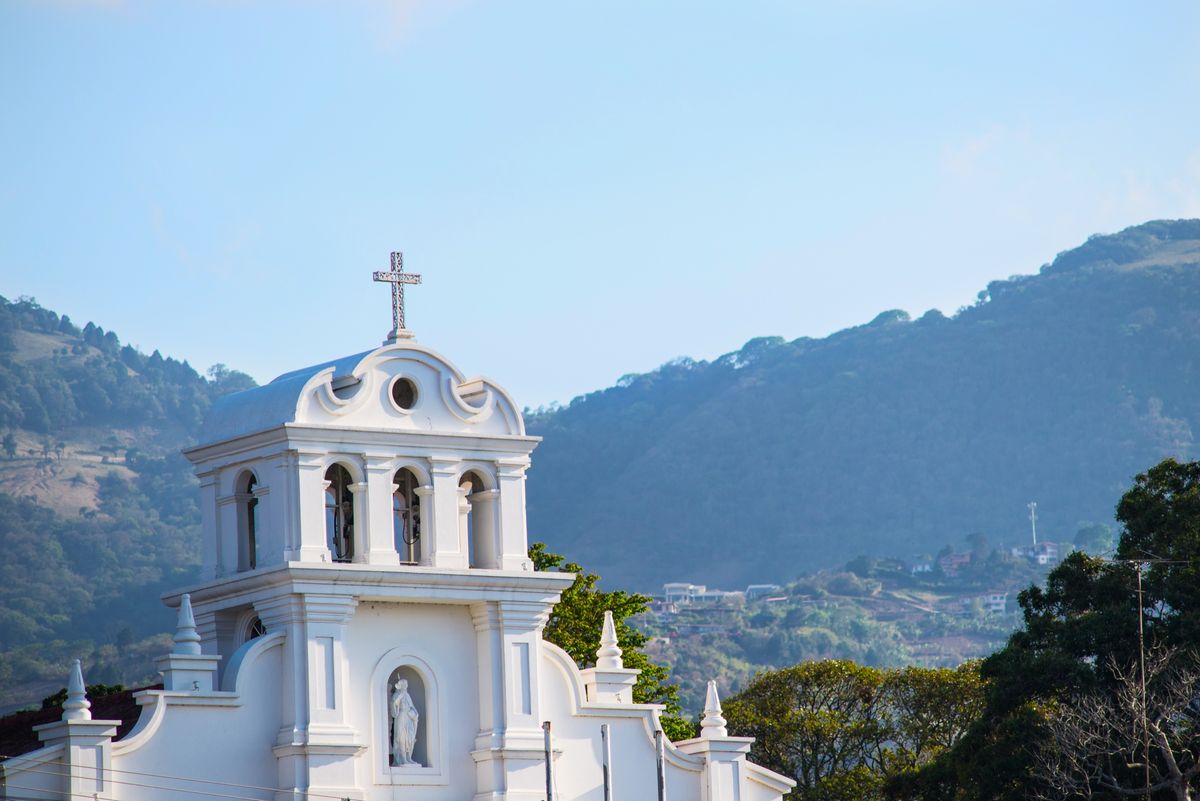
Escazú is the most international suburb of San José, with a large private hospital, international schools, malls and restaurants within a few miles of each other. It is also the most expensive place to live in the Central Valley, and traffic shapes daily life.
Escazú at a glance
| Where | San José province, about 5 miles (8 km) west of downtown San José |
| Elevation | About 3,600 feet (1,100 meters) in the center; from roughly 3,000 feet near the highway to well over 4,500 feet on the mountain |
| Weather | Days in the mid-70s to low 80s°F (24 to 28°C), cool nights; cooler and mistier uphill |
| Size | A canton of roughly 70,000 people |
| To the airport (SJO) | 20 to 40 minutes without heavy traffic |
| Hospitals | A large private hospital in the canton; San José’s public hospitals nearby |
| Long-term rent (estimate) | $1,000 to $2,500 a month for one or two bedrooms |
| Suits | Families, working professionals, and retirees who want city services |
The three districts
Escazú climbs from the highway up the side of a mountain range, and its three districts feel like different towns.
- San Rafael de Escazú. The lower, commercial district along the Route 27 highway. This is where the malls, office towers, condominium buildings, restaurants and the private hospital are, and where most newly arrived foreigners live. It is convenient, busy and the most expensive.
- Escazú centro (San Miguel). The old town center, with the church, the park, the weekly farmers market and ordinary Costa Rican shops. Housing is older and cheaper, and it feels like a town.
- San Antonio de Escazú. The upper district, on the mountainside. It is cooler and more rural, with farms, long views over the valley and a tradition of painted oxcarts. Roads are steep and narrow, and homes range from simple houses to large estates.
Well-known residential areas include Guachipelín, Trejos Montealegre, Jaboncillo and Bello Horizonte. Neighboring Santa Ana, a few miles further west, is warmer, a little newer and similar in price.
What homes cost
- Renting. As an estimate, $1,000 to $2,500 a month for a one- or two-bedroom apartment or small house, and from about $2,500 to well over $4,000 for a family home in a gated community. Leases priced in dollars are standard. Rent above a monthly threshold carries 13 percent sales tax, so ask whether the quoted figure includes it. See renting in Costa Rica.
- Buying. Condominiums and houses in San Rafael are among the most expensive real estate in the country, and prices fall as you move uphill or toward the old center. Monthly fees in towers and gated communities add to the cost. Ask for recent sale prices, not asking prices.
Agents aren’t licensed by the state in Costa Rica. See real estate agents in Costa Rica and buying property in Costa Rica.
Healthcare
Hospital CIMA, one of the country’s largest private hospitals, is in San Rafael de Escazú beside Route 27, and private specialists, labs, dentists and clinics cluster around it. Many of the doctors speak English.
Residents enrolled in the Caja are assigned to the local public clinic and referred from there to San José’s public hospitals. For anyone who needs regular specialist care, Escazú is about as close to it as you can live in Costa Rica. See healthcare in Costa Rica.
Schools
The west side of San José has the country’s largest concentration of international and private bilingual schools, in Escazú, Santa Ana and nearby. That is the main reason families with children choose the area. Schools change campuses and fees, so check each one directly, and choose the school before the house: a few miles can be an hour at 7 am. See schools in Costa Rica.
Daily life
- Shopping and eating out. The widest choice in Costa Rica, including large malls, imported groceries and restaurants of every kind. Prices in San Rafael are close to US prices.
- Language. You can get by in English in San Rafael more easily than anywhere else in the Central Valley. Government offices, the Caja and most tradespeople still work in Spanish.
- Community. Escazú has long been home to diplomats, executives of multinational companies and well-off Costa Rican families, as well as retirees. The US Embassy is a short drive away in the neighboring Pavas district.
- Weather. Mild all year, with no need for heating or air conditioning in most homes. The upper slopes are cooler, wetter and often in cloud during the rainy season.
Traffic and getting around
Traffic is the main complaint. Route 27 and the old road into San José clog at rush hour, and the hillside streets are narrow.
- Plan your home around the trips you make most: school, work, the hospital.
- San José restricts vehicles in the city center on one weekday according to the plate number.
- Taxis and ride-hailing are easy to find, and buses run to downtown San José, so some residents of San Rafael and the center manage without a car.
- Route 27 leads west to the Pacific coast, about an hour and a quarter to the beaches near Jacó when the road is clear.
See driving and owning a car in Costa Rica.
Who Escazú suits, and who it doesn’t
| Escazú fits if you want | Look elsewhere if you want |
|---|---|
| Private hospitals and specialists minutes away | A low cost of living |
| International schools | A quiet small town |
| Restaurants, shopping and services in English | To live without traffic |
| A short trip to the airport | A beach or a rural setting |
| Jobs with multinational companies nearby | A large lot at a modest price |
For a smaller, warmer and cheaper town within reach of the same hospitals, see living in Atenas. For the neighboring towns, see living in the Central Valley. For the whole country, see the best places to live in Costa Rica and the cost of living in Costa Rica.
Common questions
Is Escazú a good place to live in Costa Rica?
Escazú suits people who want city conveniences in Costa Rica: a large private hospital, international schools, malls, restaurants and English-speaking services, 20 to 40 minutes from the main airport. The trade-offs are the highest housing costs in the Central Valley and heavy traffic. People looking for a quiet small town usually prefer Atenas or Grecia.
How much does it cost to live in Escazú?
Escazú is one of the most expensive places to live in Costa Rica. As an estimate, a one- or two-bedroom long-term rental runs about $1,000 to $2,500 a month, and a comfortable lifestyle for a couple often costs $3,500 a month or more. Homes higher up the mountain, away from the commercial district, cost less.
Is Escazú safe?
Escazú is generally regarded as one of the safer parts of the San José area, and the main concerns are burglary and theft from cars. Most foreign residents live in gated communities or buildings with security. As anywhere in Costa Rica, safety varies by street, so ask residents about the specific neighborhood.
How far is Escazú from San José and the airport?
Escazú is about 5 miles (8 km) west of downtown San José and roughly 10 miles (16 km) from the main international airport. Without traffic, each trip takes 15 to 30 minutes. At rush hour, either can take an hour or more.
Sources
This page is general information, not professional advice. Rules and amounts change, and officials apply them differently. Confirm the details with the relevant authority or a qualified professional before you act on them.