Living in Costa Rica's Southern Zone: Dominical, Uvita and Ojochal
Ocean views from rainforest hills, quiet beaches and room to breathe, for people ready to trade convenience for nature.
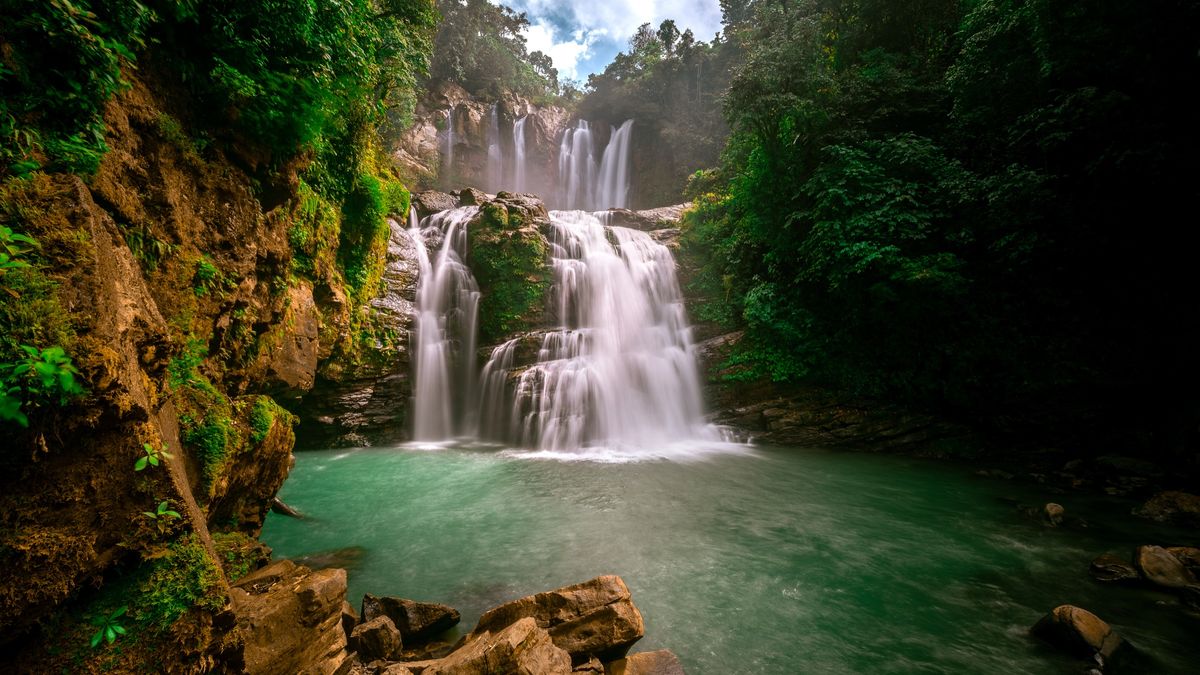
The Southern Zone offers what many people picture when they dream of Costa Rica: a house in the rainforest hills with the Pacific below, and beaches with few people on them. It suits self-reliant people who want nature and quiet, and who accept heavy rain, steep roads and a long drive to a major hospital.
The coast from Dominical to Ojochal is also called the Costa Ballena, after the humpback whales that visit it.
The Southern Zone at a glance
| Climate | Hot and humid at sea level, days around 85 to 92°F (29 to 33°C). A few degrees cooler in the hills. Drier from about December to April; very wet from September to November |
| Elevation | Sea level along the highway; many homes sit between 300 and 2,000 feet (100 to 600 meters) |
| Nearest international airport | Juan Santamaría (SJO), near San José, about 3.5 to 4 hours by road |
| Hospital access | Public hospitals in Ciudad Cortés and San Isidro de El General; private clinics in Uvita; major care in San José |
| Typical rent (estimate) | $900 to $2,000 a month for one or two bedrooms |
| Foreign community | Small to medium and close-knit: North American and European retirees, families and remote workers, spread across the hills |
| Spanish | Useful every day. English is common among foreign residents and in tourism, less so in shops, offices and clinics |
Who the Southern Zone suits, and who it doesn’t
| It fits if you want | Look elsewhere if you want |
|---|---|
| Rainforest, wildlife and ocean views | Hospitals and specialists close by |
| Quiet beaches and little nightlife | Shopping, restaurants and entertainment on tap |
| Space and privacy | Flat, walkable neighborhoods |
| A small community where people know each other | A dry climate |
Dominical, Uvita and Ojochal: how the towns differ
| Town | What it is like |
|---|---|
| Dominical | A small surf village at the mouth of a river, with a strong beach break, a few restaurants and a young, transient crowd. Homes are in the hills behind it |
| Uvita | The service center, about 11 miles (18 km) south of Dominical: supermarkets, banks, clinics, hardware stores and a weekly farmers market. Next to Marino Ballena National Park and its whale-tail sandbar |
| Ojochal | A hillside community about 9 miles (15 km) south of Uvita, known for a surprising number of good restaurants and a long-standing French-Canadian and European presence. Few shops |
| San Isidro de El General | The regional city, inland at about 2,300 feet (700 meters) and 45 minutes from Dominical. Cooler, far cheaper and almost entirely Costa Rican, with a public hospital, a large market and car dealers |
Cost of living, rent and real estate in Uvita, Dominical and Ojochal
Housing costs less than in Guanacaste’s best-known towns, but daily costs are not low. Groceries are trucked in, restaurants are priced for visitors, and most households run a four-wheel-drive vehicle and a dehumidifier. As an estimate, a couple living comfortably spends $2,800 to $4,000 a month. See the cost of living in Costa Rica.
Estimated monthly rent on a long-term lease:
| Home | Monthly rent (estimate) |
|---|---|
| Simple one- or two-bedroom house near the highway | $700 to $1,200 |
| One- or two-bedroom home in Uvita, Dominical or Ojochal | $900 to $2,000 |
| Ocean-view house with a pool | $2,000 to $3,500 or more |
| House in San Isidro de El General | $400 to $900 |
Many houses are built for vacation rental, so twelve-month leases are limited. See renting in Costa Rica.
Real estate in Uvita, Dominical and Ojochal is mostly houses and lots on steep hillsides. Before you buy, check:
- The road. Who maintains it, and what it is like in October.
- Water. Many properties depend on a local water association, a spring or a well. Confirm the legal source in writing.
- Slope and drainage. Landslides and erosion are real risks on cut hillsides.
- Protected land. Forest, streams and the maritime zone near the beach all limit building.
See buying property in Costa Rica and real estate agents in Costa Rica.
Healthcare
- Public (the Caja). Local clinics along the coast, a public hospital in Ciudad Cortés, about 35 to 45 minutes south of Uvita, and a larger one in San Isidro de El General.
- Private. Uvita has private doctors, dentists, pharmacies and small clinics for routine and urgent care. Private hospitals are in the San José area, three and a half to four hours away.
This is the region’s biggest drawback for older residents. See healthcare in Costa Rica.
Getting there and getting around
- From San José. Route 27 and then Route 34, the paved coastal highway, through Jacó and Quepos: about 3.5 to 4 hours to Uvita. The alternative crosses the high mountains on Route 2 to San Isidro and drops to Dominical. It is slower and often foggy.
- By air. Small airfields at Quepos and Palmar Sur have had domestic flights; check current schedules.
- Four-wheel drive. Recommended. The highway is paved and in good condition, but the roads up to hillside homes are steep gravel or concrete tracks that wash out in heavy rain.
- Without a car. Difficult. Buses run along the highway, but homes, shops and beaches are spread out.
See driving and owning a car in Costa Rica.
Safety in Dominical, Uvita and Ojochal
The area is quiet. The main problems are theft from cars at beaches and waterfalls, and burglary of isolated houses, especially ones left empty. Many owners use a caretaker, an alarm and good neighbors. Rip currents are strong at Dominical. See is Costa Rica safe to live in.
The downsides, stated plainly
- Rain. This is one of the wettest parts of the Pacific coast. September to November can bring rain for days, with road washouts and power cuts.
- Humidity. Mold on clothes, books and walls, and rust on everything metal.
- Bugs and wildlife. Mosquitoes, ants, scorpions and snakes come with living in the forest.
- Distance. Major hospitals, the main airport, government offices and large stores are hours away.
- Steep terrain. Hard on vehicles, and harder to manage with age.
- Internet and power. Fiber follows the highway. Check the connection at a hillside house, and expect outages in storms.
- Prices. Imported goods and restaurant meals cost more than in the Central Valley.
How people usually start
- Visit in October. If you still like it then, the rest of the year is easy.
- Rent for six to twelve months, in a house at the elevation and on the kind of road you expect to buy on.
- Check which residency category fits your income.
- A relocation planner can help with the practical steps.
Neighboring regions: Jacó and Manuel Antonio are up the coast toward San José, and the Central Valley has the hospitals. For another rainforest coast, see the Caribbean, or compare everything in the best places to live in Costa Rica.
Common questions
Is Uvita, Costa Rica a good place to live?
Uvita is a good place to live for people who want rainforest, quiet beaches and ocean views more than restaurants and shopping. It is the service center of the Southern Zone, with supermarkets, banks and clinics. It is also hot, very wet from September to November, and three and a half to four hours from San José's hospitals and airport.
What is the difference between Dominical, Uvita and Ojochal?
Dominical is a small surf village at a river mouth, Uvita is the main town with most of the shops and services, and Ojochal is a spread-out hillside community known for its restaurants. Dominical, Uvita and Ojochal sit along about 20 miles (32 km) of the same coastal highway.
Do you need a 4x4 to live in Uvita, Dominical or Ojochal?
Most residents of Uvita, Dominical and Ojochal own a four-wheel-drive vehicle. The coastal highway is paved, but many homes are up steep gravel roads that become slick in the rainy season. A house on flat ground near the highway can be reached in an ordinary car.
How much does it cost to rent in Uvita, Dominical or Ojochal?
As an estimate, a one- or two-bedroom long-term rental in Uvita, Dominical or Ojochal runs about $900 to $2,000 a month. Ocean-view houses with a pool cost more, and simple houses on flat ground cost less. Long-term rentals are limited, so allow time to search in person.
Sources
- Municipality of Osa, the canton that includes Uvita and Ojochal (Spanish)
- National System of Conservation Areas (SINAC): Marino Ballena National Park
- Costa Rican Social Security Fund (CCSS, the Caja): list of public hospitals (Spanish)
- National Meteorological Institute of Costa Rica (IMN): climate and forecasts (Spanish)
This page is general information, not professional advice. Rules and amounts change, and officials apply them differently. Confirm the details with the relevant authority or a qualified professional before you act on them.