Costa Rica vs Panama: which is better for living and retiring?
A side-by-side comparison of residency, costs, healthcare, taxes and daily life, so you can see which country fits you.
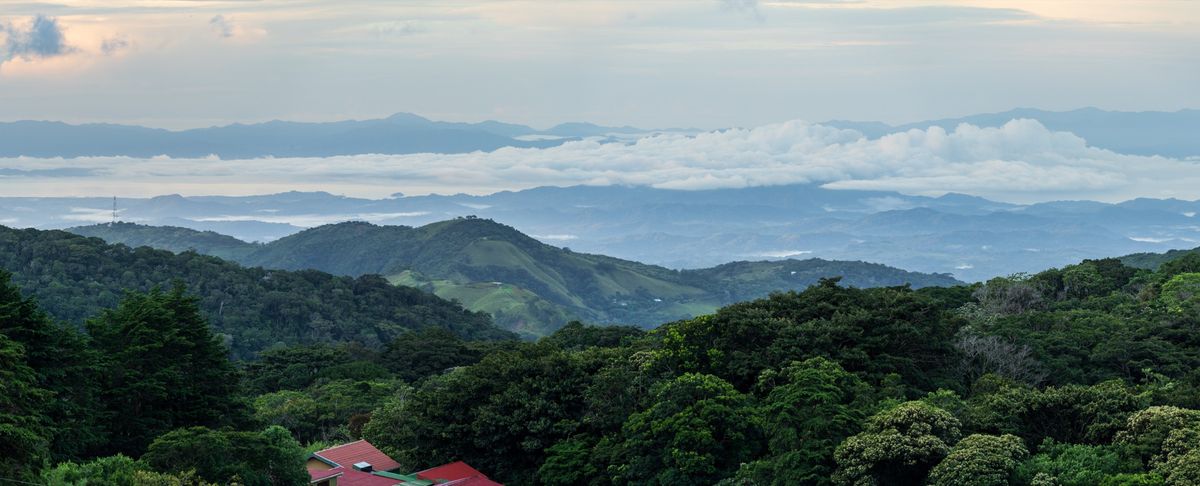
Costa Rica suits people who put climate, nature and public healthcare first, and Panama suits people who want lower prices, the US dollar and the fastest route to permanent residency. Both let you qualify as a retiree on a lifetime pension of $1,000 a month, and both tax only local income.
Costa Rica vs Panama at a glance
| Costa Rica | Panama | |
|---|---|---|
| Retiree residency | Pensionado: $1,000 a month pension; temporary, then permanent after 3 years | Pensionado: $1,000 a month pension; permanent from the start |
| Other common routes | Rentista ($2,500 a month or a $60,000 deposit), investor ($150,000) | Friendly Nations (about $200,000 in property or a deposit, or a job), Qualified Investor (from about $300,000) |
| Tourist stay for US citizens | Up to 180 days | Up to 180 days |
| Currency | Colón, which floats against the dollar | US dollar |
| Couple’s monthly budget, modest to comfortable (estimate) | $2,000 to $4,500 | $1,800 to $4,000 |
| Public healthcare | Residents must join the Caja; no exclusions for existing conditions | A public system exists; most foreign residents rely on private care |
| Private healthcare | Good, centered on San José | Good, centered on Panama City |
| Tax on foreign income | Generally none (territorial) | Generally none (territorial) |
| Climate | Mild in the Central Valley; hot coasts | Hot and humid lowlands; cooler in the western highlands |
| Hurricanes | Rarely hit directly | South of the hurricane belt |
| Flights to the US | Two international airports | One large hub in Panama City |
| Path to citizenship | 7 years of residency; dual nationality allowed | 5 years of permanent residency |
Residency thresholds are the published figures at the time of writing and the budgets are estimates. Confirm the residency rules with an attorney in each country before you rely on them.
Residency
Both countries accept a lifetime pension of at least $1,000 a month, such as Social Security.
- Costa Rica grants pensionado, rentista and investor applicants temporary residency for two years at a time. You renew it, and after three years you can apply for permanent residency. You apply inside Costa Rica, and waits of several months to more than a year are common.
- Panama gives Pensionado applicants permanent residency directly, with a list of legally required discounts on things such as medical bills, restaurants and travel. Its Friendly Nations route asks for a property purchase or bank deposit of about $200,000, or a Panamanian job.
If you have a pension and want the least paperwork over time, Panama is simpler. If you have savings but no pension, Costa Rica’s rentista deposit is the lower bar. See Costa Rica residency requirements.
Cost of living: Costa Rica vs Panama
Panama is usually a little cheaper. The biggest differences:
- Cars and fuel cost much more in Costa Rica because of import taxes. See driving and owning a car in Costa Rica.
- Imported goods and electronics are cheaper in Panama.
- Currency. Panama uses the dollar. In Costa Rica a stronger colón in recent years has raised costs for anyone with a dollar income.
- Rent depends on the town. Panama City’s popular districts and Costa Rica’s Guanacaste beach towns are both expensive; Costa Rica’s smaller Central Valley towns and Panama’s interior are not.
- Electricity is a major cost in both wherever you run air conditioning, and you need less of it in Costa Rica’s Central Valley.
See the cost of living in Costa Rica for budgets and rents by area.
Costa Rica vs Panama for retirement
For a retiree the decision usually comes down to four things.
| Costa Rica | Panama | |
|---|---|---|
| Pension needed for the retiree visa | $1,000 a month, lifetime | $1,000 a month, lifetime (less if you also buy property; check the current rule) |
| What the retiree visa gives | Temporary residency, renewed every two years; permanent after three | Permanent residency from the start |
| Healthcare once resident | Must join the public Caja, which covers existing conditions at any age | Private insurance or paying directly is the norm for foreign retirees |
| Retiree discounts | A discount card for people 65 and over; ask whether you qualify as a resident | Well-known legal discounts for pensionados on many services |
Both countries leave a US pension and Social Security out of local income tax, and in both you can have Social Security paid into a US account. Medicare doesn’t pay for care in either. The healthcare row is the one many retirees weigh most: if you have an existing condition and may struggle to buy private insurance, Costa Rica’s Caja matters. See retiring in Costa Rica and the pensionado visa.
Healthcare
This is the clearest difference for retirees.
- Costa Rica requires every resident to join the Caja and pay a monthly contribution based on declared income. In return, the public system covers doctor visits, medicines and hospital care with no exclusions for existing conditions and no age limit. Waits for specialists can be long, so many residents also pay for private care. See healthcare in Costa Rica.
- Panama has no such requirement for retirees. Most foreign residents use private hospitals, which are concentrated in Panama City, and carry private insurance or pay directly. Private insurance gets expensive, and harder to buy, with age and health conditions.
Medicare doesn’t pay for care in either country. If you have a condition that makes private insurance difficult, Costa Rica’s public system is a real advantage.
Climate and landscape
Costa Rica’s Central Valley sits at roughly 2,500 to 5,000 feet, and a large share of foreign residents live there in spring-like weather without heating or air conditioning. Panama’s cool-weather option is the western highlands around Boquete, which is smaller and further from the capital. Both countries have hot Pacific and Caribbean coasts and a rainy season from about May to November.
Costa Rica has more protected land and a larger nature tourism industry. Panama City is a far bigger and more modern city than San José, with a metro and a major airline hub.
Taxes and money
Both countries tax on a territorial basis, so a US pension, Social Security and US investment income are generally not taxed by either. US citizens file a US return every year from both. See taxes in Costa Rica.
Banking takes patience in both. Panama’s dollar economy removes exchange-rate risk; Costa Rica’s everyday payments run on the SINPE Móvil phone system. See banking in Costa Rica.
Safety and stability
Both are stable democracies without a standing army. Costa Rica’s homicide rate rose sharply in the early 2020s, mostly connected with drug trafficking and concentrated in particular areas. Panama’s crime is concentrated in parts of Panama City and Colón. For foreign residents in both, theft is the main concern. See is Costa Rica safe to live in.
Weighing another neighbor? See Belize vs Costa Rica.
Which fits you
| If you want | Lean toward |
|---|---|
| Mild weather without air conditioning | Costa Rica |
| Public healthcare that covers existing conditions | Costa Rica |
| Rainforest, wildlife and national parks on your doorstep | Costa Rica |
| Permanent residency right away | Panama |
| Dollar prices and no exchange rate | Panama |
| Lower prices for cars and imported goods | Panama |
| A large, modern city | Panama |
| To qualify on savings, with no pension | Costa Rica (rentista) |
The two countries share a border and are an hour apart by air, so many people visit both before deciding. Spend a few weeks in each, ideally in the rainy season, and rent before you buy. If Costa Rica is the one, start with the steps for moving to Costa Rica.
Common questions
Is Costa Rica or Panama better for retirement?
Costa Rica and Panama both suit retirees, for different reasons. Panama gives permanent residency right away on a $1,000 a month pension, uses the US dollar and offers retiree discounts. Costa Rica asks for the same pension, covers residents in its public health system with no exclusions for existing conditions, and has milder weather in its Central Valley.
Is it cheaper to live in Costa Rica or Panama?
Panama is usually somewhat cheaper than Costa Rica. Cars, fuel, electronics and imported goods cost less in Panama, and there is no exchange rate to manage. Rents in Panama City's popular districts and in Costa Rica's beach towns are both high, so the gap depends on where you live in each country.
Which is safer, Costa Rica or Panama?
Costa Rica and Panama are both rated by the US State Department at similar advisory levels in recent years, with crime concentrated in specific areas of each. In both countries, the crime most likely to affect foreign residents is theft. Read the current advisory for each country and ask residents about the specific neighborhood.
Is it easier to get residency in Costa Rica or Panama?
Residency is generally quicker and more permanent in Panama. Panama's Pensionado visa gives permanent residency directly. Costa Rica's pensionado, rentista and investor categories give temporary residency, renewed every two years, and permanent residency after three years. Both countries require a lifetime pension of at least $1,000 a month for the retiree route.
Sources
This page is general information, not professional advice. Rules and amounts change, and officials apply them differently. Confirm the details with the relevant authority or a qualified professional before you act on them.