Buying property in Costa Rica as an American
Foreigners can own titled property outright. How beachfront concession land differs, the steps in a purchase and what to check first.
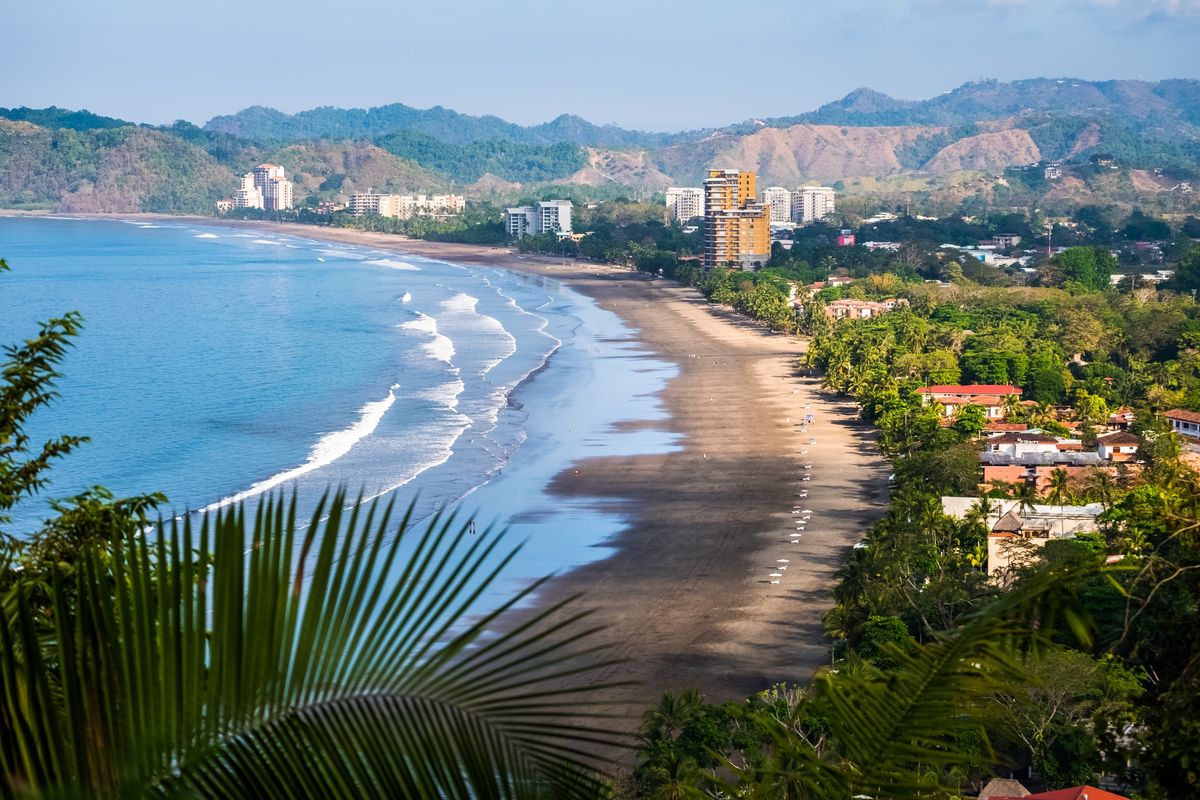
Americans can buy and own property in Costa Rica, and for most property the ownership is the same as a citizen’s. The two things that differ from a US purchase are the rules for land near the beach and how much of the checking falls to you and your attorney.
Can Americans own property in Costa Rica?
Yes. For titled property, a foreigner has the same rights as a Costa Rican. You can hold it in your own name or through a Costa Rican corporation, and you don’t need residency.
Titled property is recorded in the National Registry (Registro Nacional), a central public registry. Each property has a registry number and a registered survey plan. The registry shows the owner and any mortgages, liens or annotations, and it can be searched online.
Beachfront land and the maritime zone
Land near the sea is different. The maritime zone (zona marítimo terrestre) is the first 200 metres inland from the high tide line:
- The first 50 metres is the public zone. Nobody can own it or build on it.
- The next 150 metres is the restricted zone. It belongs to the state and is administered by the local municipality, which can grant a concession: a right to use and build on the land for a fixed term, typically 20 years, renewable.
A concession is a lease from the government, not ownership. For foreigners there are extra limits:
- A foreigner can’t be granted a concession without five years of residency.
- A company with more than half foreign ownership can’t hold one.
- Concessions can only be granted where the municipality has an approved zoning plan, and building must follow it.
Some beachfront properties do have full title, because they were titled before the law or are in certain port cities. They are the exception. If a listing is within 200 metres of the beach, find out exactly what is being sold before you go further.
The steps in a purchase
- Offer and agreement. A written offer, then an option or purchase agreement with a deposit, normally held in escrow by a registered escrow company.
- Due diligence. Your attorney checks the title and survey at the registry, liens, taxes, zoning and permitted use, water, road access, and any corporation that holds the property.
- Closing. A notary public prepares and records the transfer deed. In Costa Rica every notary is also an attorney, and the buyer normally chooses one.
- Registration of the deed in the National Registry.
A straightforward purchase typically takes one to two months. Financing for foreigners is limited, so most buy with cash or with seller financing.
Costs to expect
- Closing costs. Transfer tax, registry stamps and notary fees together commonly come to roughly 3.5 to 4 percent of the price. How they are split between buyer and seller is negotiable. Ask for a written estimate.
- Annual property tax. 0.25 percent of the registered value, paid to the municipality.
- Luxury home tax. A national tax on higher-value homes, above a threshold that is updated periodically.
- Corporation costs. If you hold the property in a corporation, there is an annual corporation tax and annual filings.
- Tax when you sell. Costa Rica taxes capital gains on property, generally at 15 percent of the gain, with an exemption for your main home. Keep records of the price and of improvements.
What to check before you buy
- Title, not possession. Some rural land is held by possession without registered title. Don’t buy it as if it were titled.
- Concession status for anything near the beach, including whether the concession is current and registered.
- Water. A building permit needs proof of a legal water supply. In parts of Guanacaste and elsewhere, new connections have been restricted.
- Access. Confirm legal road access, not just a track that exists.
- Setbacks and protected areas. Rivers, springs, forest and reserves all limit where you can build.
- Occupation. Vacant land left unattended can be occupied, and removing occupants is slow. Absentee owners usually pay a caretaker.
- The registered value. If you want residency by investment, the documented value has to reach $150,000.
- Agents. Real estate agents are not licensed by the state and there is no single listing system. See real estate agents in Costa Rica.
- Your own attorney. Hire one who is independent of the seller, the developer and the agent.
Rent first
Most people who settle well rent for six months to a year before buying. A house that is lovely in February can be at the end of a washed-out road in October. See the best places to live in Costa Rica for how the areas compare.
Common questions
Can Americans buy property in Costa Rica?
Yes. Foreigners can own titled property in Costa Rica outright, with the same rights as citizens, and you don't need to be a resident. The exception is beachfront land in the maritime zone, most of which is concession land with restrictions on foreign holders.
Can foreigners own beachfront property in Costa Rica?
Only in limited ways. The first 50 metres above the high tide line is public and can't be owned or built on. The next 150 metres is usually held under a concession from the municipality, not owned, and a foreigner can't hold a majority of a concession without first being a resident for five years.
How much is property tax in Costa Rica?
Annual property tax is 0.25 percent of the property's registered value, paid to the municipality. Higher-value homes also pay a separate national tax, often called the luxury home tax, above a threshold that is adjusted over time.
Does buying property give me residency in Costa Rica?
Not by itself. A property with a documented value of at least $150,000 can be the basis for an application under the inversionista category.
This page is general information, not professional advice. Rules and amounts change, and officials apply them differently. Confirm the details with the relevant authority or a qualified professional before you act on them.